


The historic residence and its owners
The historic residence
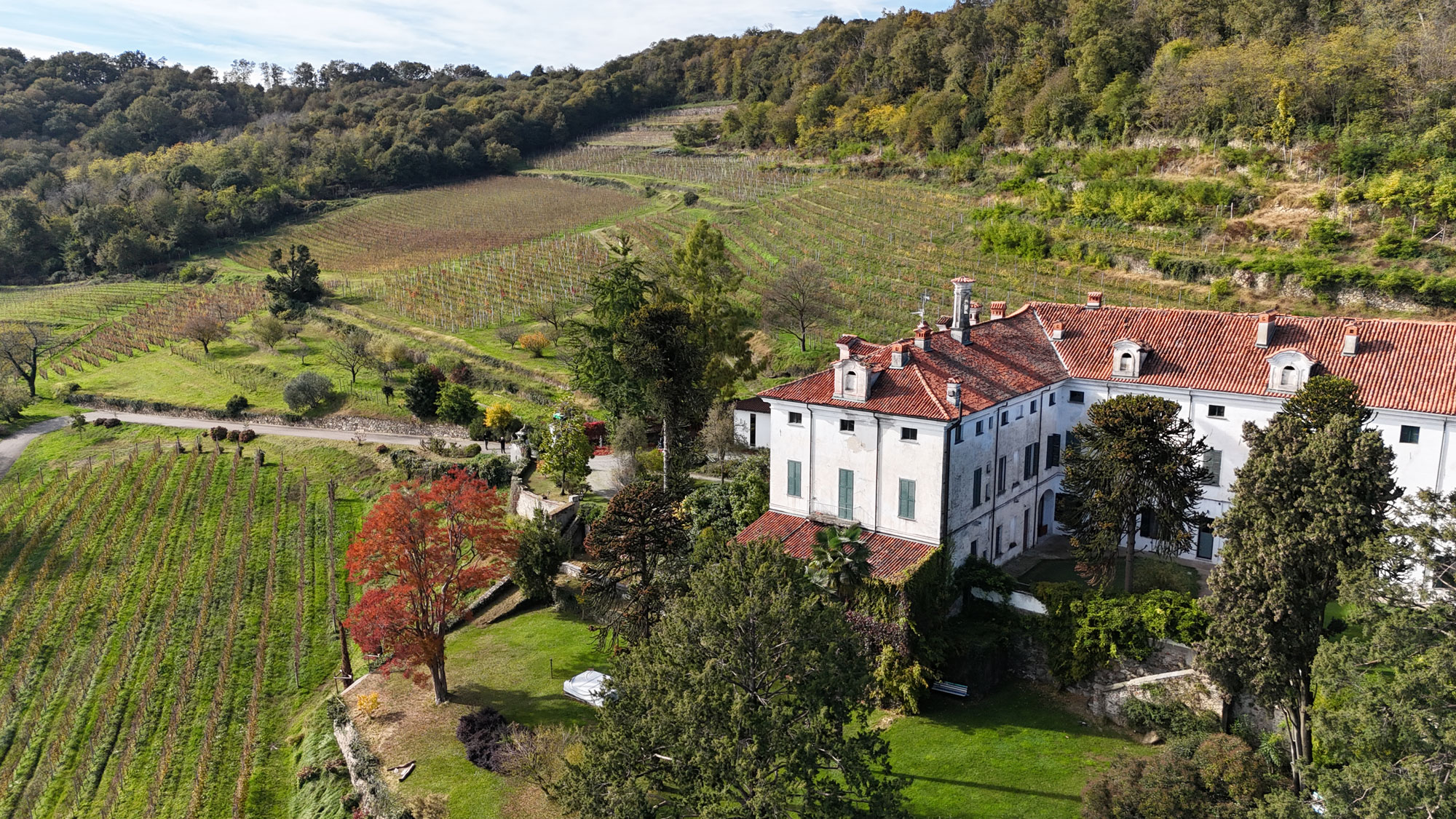
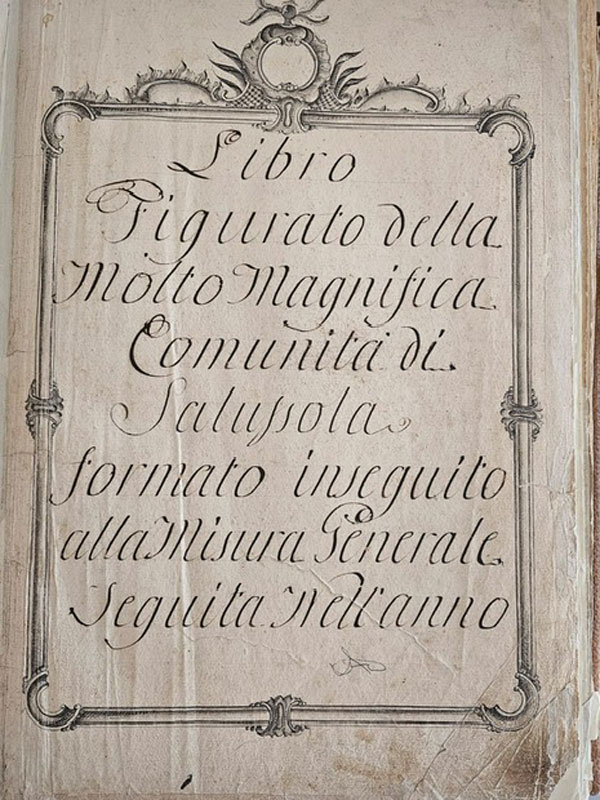
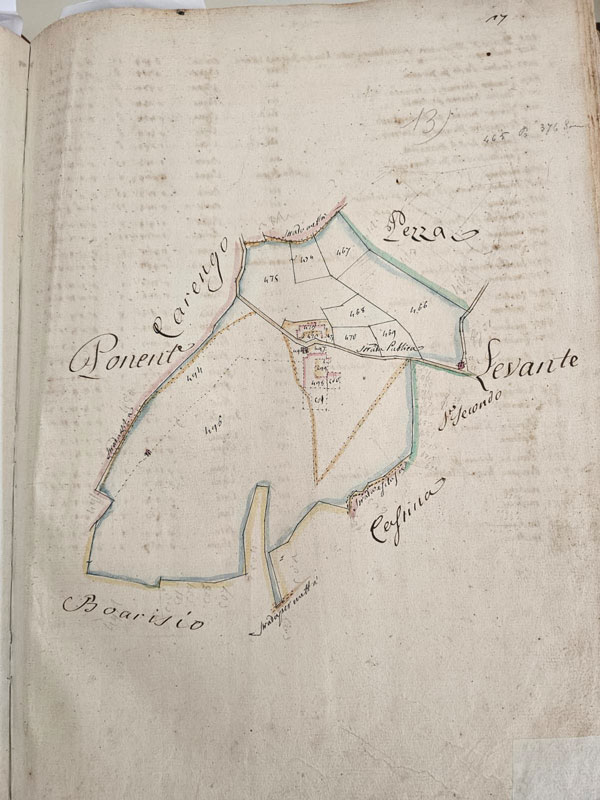
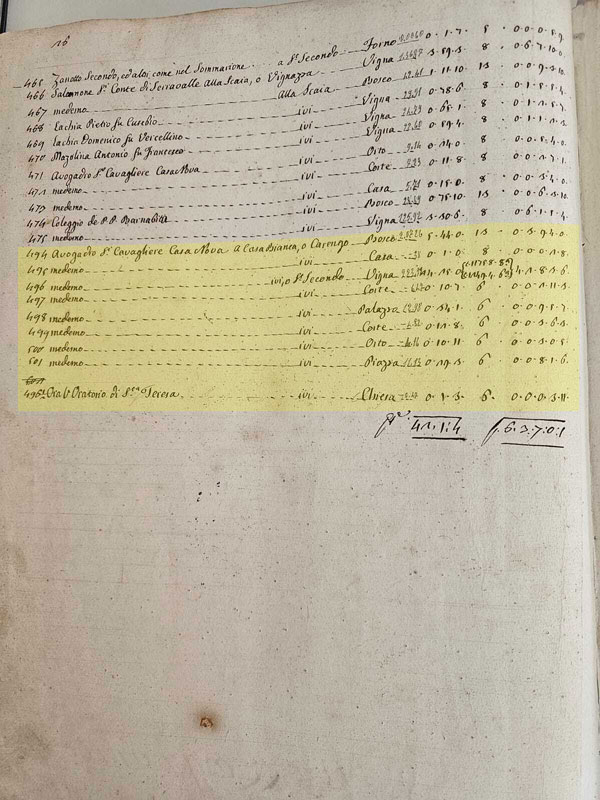
DonnaLia is located in a historic residence that belonged to the Avogadro di Casanova family, known locally as ‘Ca’ Bianca’. The municipal concession decree dates back to January 31, 1710. Of the ancient religious building that incorporated the Oratory dedicated to Saint Teresa, the small bell tower visible on the roof at the entrance to the building remains.
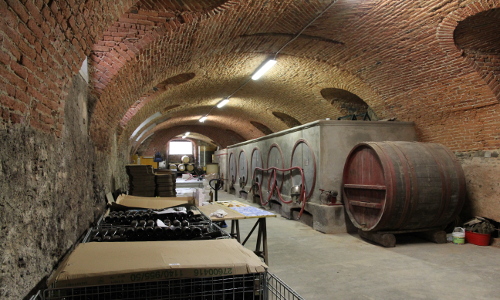
The two-entrance layout, which can be found in other buildings in the area, attests to its dual nature: on the one hand, it was a stately home, and on the other, it was used for agricultural activities, raising farm animals, and food processing. The size of the cellar and the impressive underground ice house confirm activities related to the world of wine and the storage needs of the community that lived in the agricultural community.
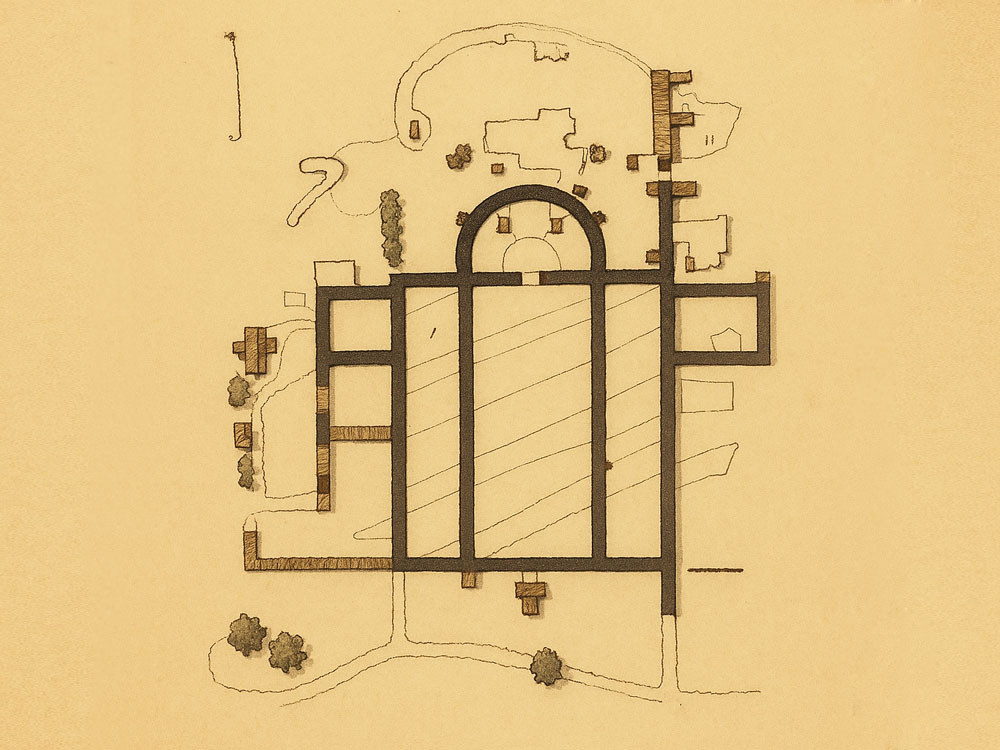
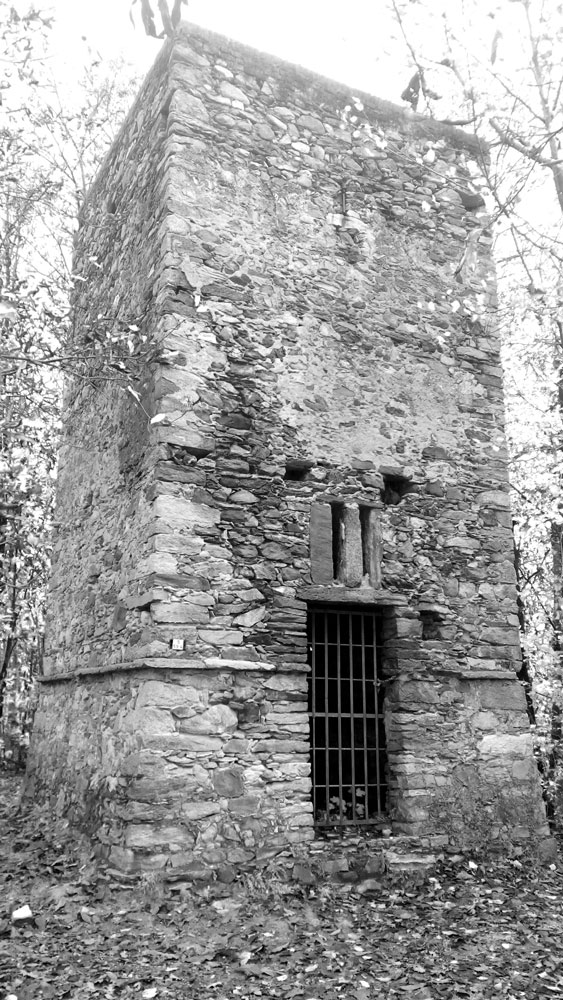
The name of the hamlet of San Secondo refers to the early Christian church whose perimeter foundations are visible in the hamlet. Venturing further into the woods, we come across a building of historical interest, namely the “Torre di Montalto o di San Lorenzo” (Tower of Montalto or San Lorenzo), which was part of the municipality’s ancient defensive system. The date engraved on the lintel, 1776, indicates the year of reconstruction of the building, which is of Lombard origin. Also used during the last war, it is now a landmark on the territory of the Italian Army.
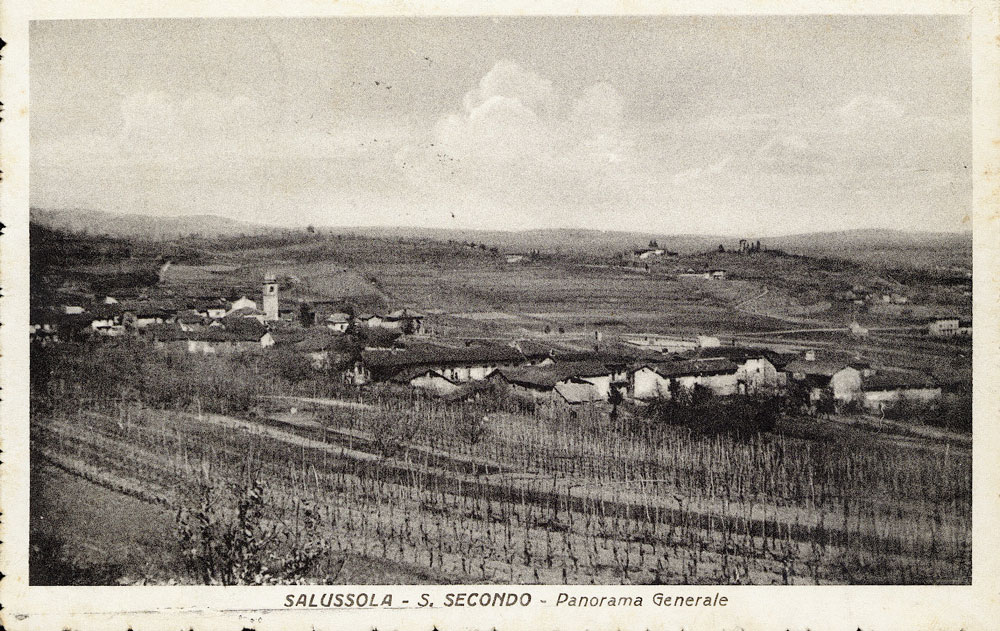
One of DonnaLia’s objectives is to restore the identity of the property located in this area of Piedmont, traditionally linked to the world of wine, as well documented in the 1934 thesis in Economic Geography by graduate Donato Donati, which traces the history of wine production in the municipality of Salussola since 1806. The transcription made by the land registry during French rule shows that the area under vine was about 10% of the entire municipal area, i.e. over 300 hectares, and from Puglisi’s ‘Due secoli di vita agricola’ (Two centuries of agricultural life), we know that Salussola supplied Biella and Vercelli with its production. Other sources tell us that the area, inhabited since Roman times, was cultivated with vines covering around 12,000 hectares.
The name of the hamlet of San Secondo refers to the early Christian church whose perimeter foundations are visible in the hamlet. Venturing further into the woods, we come across a building of historical interest, namely the “Torre di Montalto o di San Lorenzo” (Tower of Montalto or San Lorenzo), which was part of the municipality’s ancient defensive system. The date engraved on the lintel, 1776, indicates the year of reconstruction of the building, which is of Lombard origin. Also used during the last war, it is now a landmark on the territory of the Italian Army.
With the advent of the industrial age, for obvious reasons, agricultural activity declined and was replaced by secure employment in factories scattered throughout the territory: its lowest point was recorded in the post-war period.
The Owners
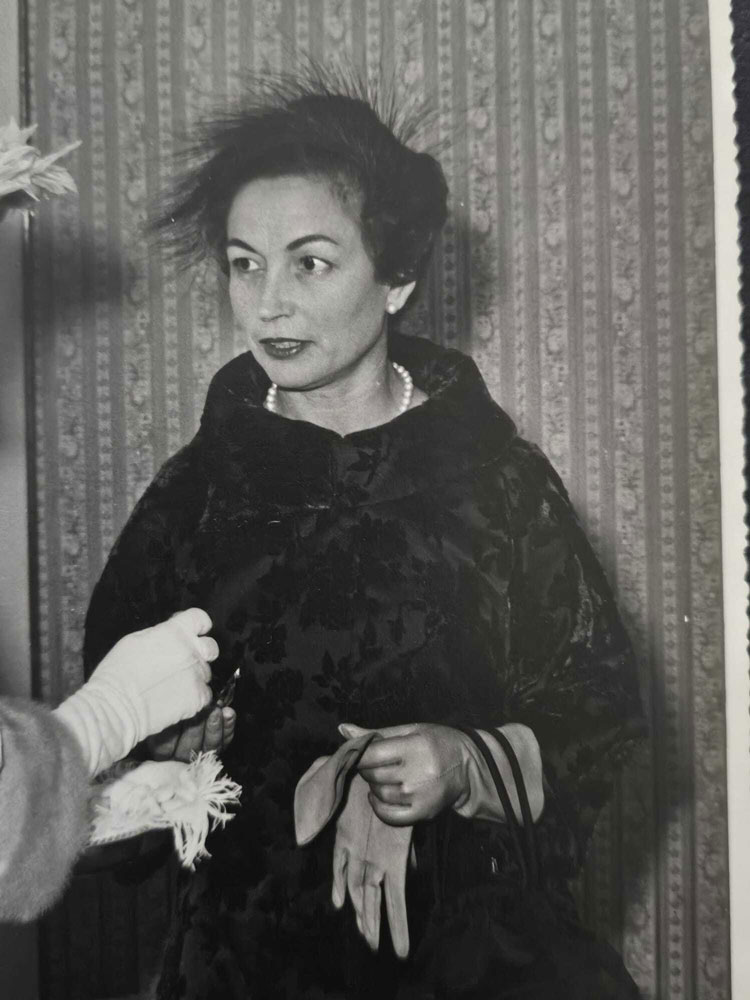
Until the end of the 1900s, the Avogadro family had the right to use the property. In January 1961, the Sardi family purchased the estate, which was in decline both from an agricultural and real estate point of view, as indicated in the deed of sale.
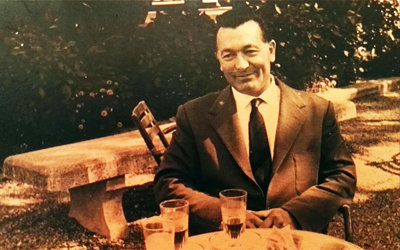
Since 2017, thanks to the toponymic attributions made by the Municipality of Salussola, the street where ‘Villa Ca’ Bianca’ is located has been dedicated to Cavalier Silvio Sardi, the forefather of the current owners. His grandfather, who came from the province of Milan East in 1912, after spending the war as a partisan in the early 1960s, bought a brick factory in the Brianco area, where he increased production by hiring local labor. He was a pioneering founder of the natural gas distribution industry in Italy and, together with other entrepreneurs, built the first distribution networks in the Po Valley. Having settled permanently in the municipality of Salussola, he was elected mayor on November 20, 1960, and remained in office until July 5, 1975. During his term of office, in 1962, he donated the hall of the San Domenico Savio nursery school in Salussola, dedicating it to his parents, Giuseppe and Enrichetta Erbori. In the same year, he was awarded the title of Cavaliere (Knight) for special merits by the President of the Republic, Antonio Segni. Thanks to his experience in the methane gas sector, at Eni, then led by Enrico Mattei, he obtained several concessions for the distribution of methane gas and, in Salussola, he built the first gas network, set up one of his branch offices, and initiated a small social and economic renewal by hiring local technicians and labor. In 1973, under his mandate, the municipality purchased the Rosazza house, the current site of the elementary schools.
One of his dreams, among others, was to produce wine at ‘Ca’ Bianca’, a project that was part of his legacy and was revived after many years. His remains rest in the family chapel in the cemetery of San Secondo di Salussola, alongside his wife Lia, a woman of remarkable energy and character, after whom the winery is named.
DonnaLia is a winery located in the morainic hills of Serra di Ivrea, in San Secondo di Salussola in the province of Biella, northern Piedmont, whose vineyards are located 300 meters above sea level.
L’area rientra nel comprensorio del Canavese, da cui la Denominazione di Origine Controllata, dove si estendono i suoi vigneti che beneficiano del microclima del vicino Lago di Viverone, dell’ottima esposizione al sole e del peculiare terreno di origine glaciale.
L’impianto originario, sebbene più esteso dell’attuale, si inseriva come ora nel naturale anfiteatro collinare, circondato da boschi di acacia e di castagno. Gli attuali proprietari, la cui residenza è conosciuta con il nome di ‘Villa Ca’ Bianca’, hanno mantenuto dagli anni ’50 alcuni vigneti storici e hanno ripristinato le parcelle disponibili a partire dal 2009.
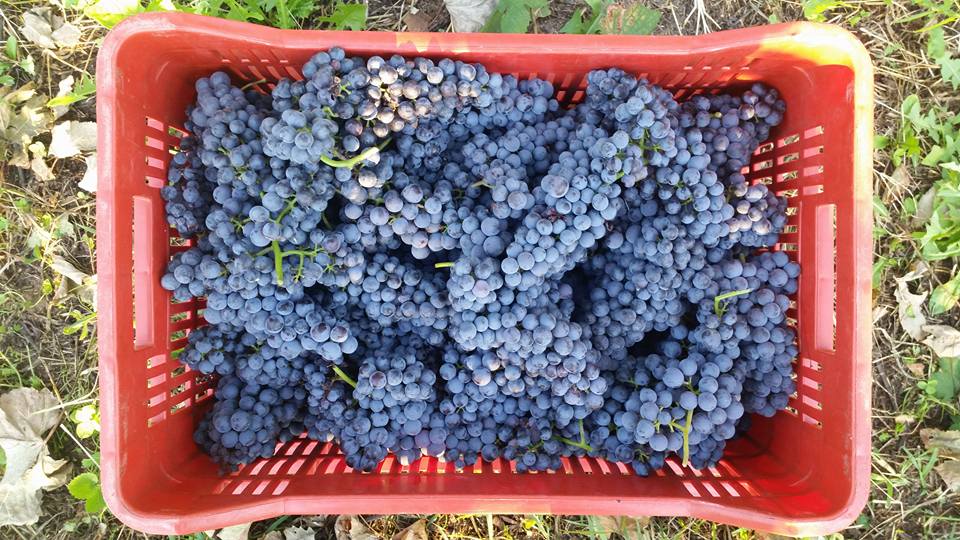
Today, Barbera and Cabernet vineyards over 50 years old are cultivated, along with younger Nebbiolo and Erbaluce vineyards, for a total of about 6.5 hectares, which produce a wine whose characteristics are regulated by the Canavese DOC production regulations.
How we work
We take care of every stage of the production process, from managing the vineyard to harvesting, vinification, and aging, right through to bottling and marketing. These final stages take place in the charming 18th-century cellar, now equipped with modern facilities, which still houses an ancient ice house and preserves the old barrels and wine-making equipment.
We also organize guided tours of the estate and the cellar, with wine tasting, by appointment by phone or email.
The vineyard and the cellar
We are located on the slopes of the Ivrea morainic hill in Piedmont, in the westernmost area of the province of Biella. The site is part of the Canavese district, where vineyards benefit from the microclimate of nearby Lake Viverone, excellent sun exposure, and unique glacial soil. All this has always allowed for the production of interesting red and white wines, whose characteristics are now regulated by the Canavese DOC production regulations.
Barbera, Nebbiolo, Cabernet, and Erbaluce are the main grape varieties cultivated on the 4 hectares (ha) of land owned by the winery, located at about 300 meters above sea level in a large hilly amphitheater surrounded by acacia and chestnut woods and always exposed to the sun.
Rural Development Plan
DonnaLia and Integrated Pest Management

For years, DonnaLia has pursued quality objectives not only in the products it manufactures but also in relation to the environment in which it operates. Since 1996, the company has adhered to the

